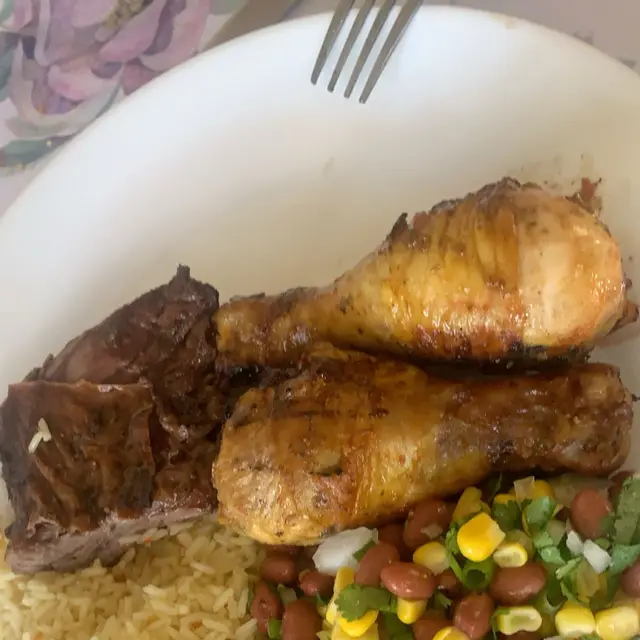
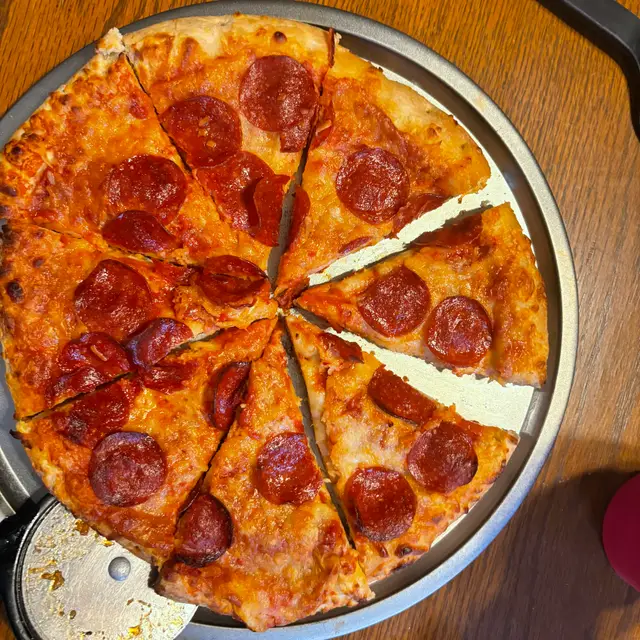
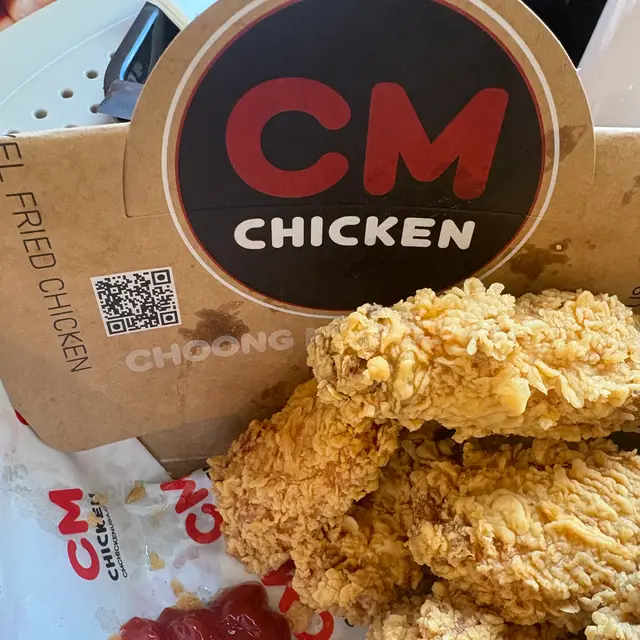
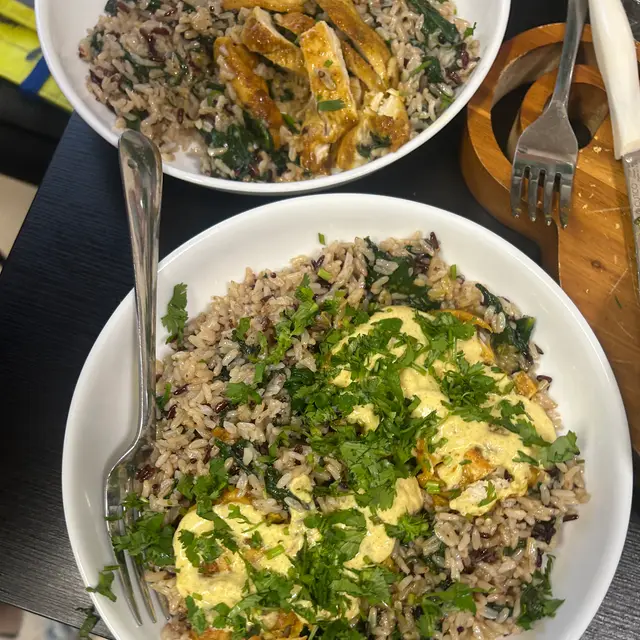
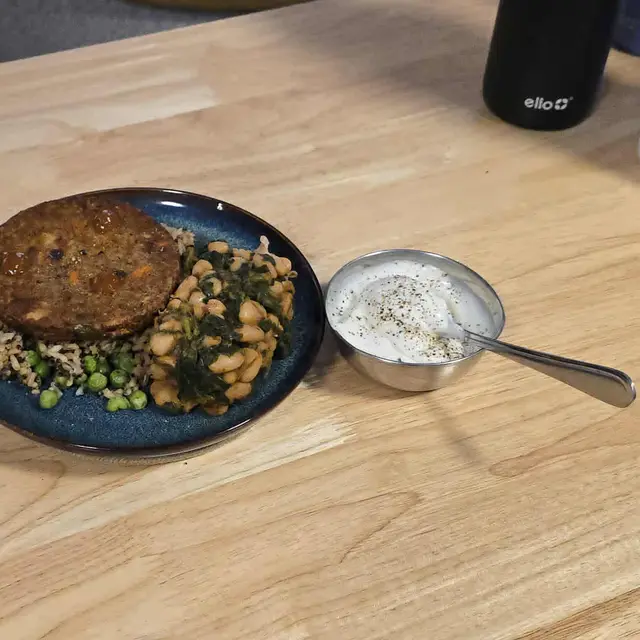
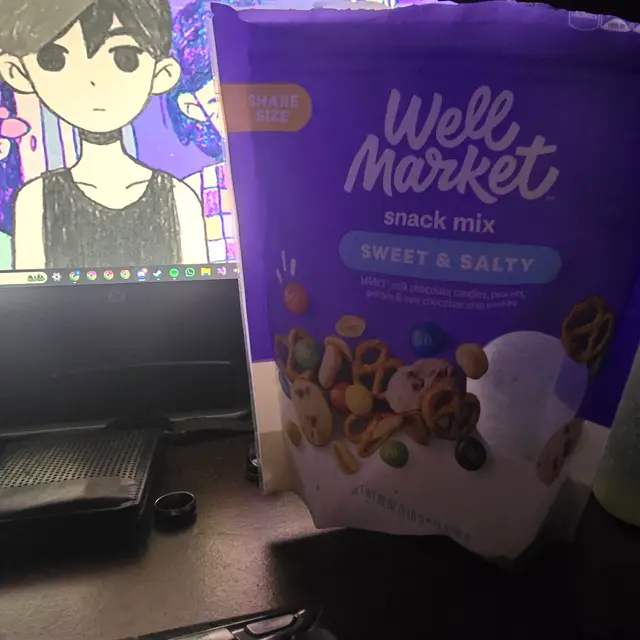
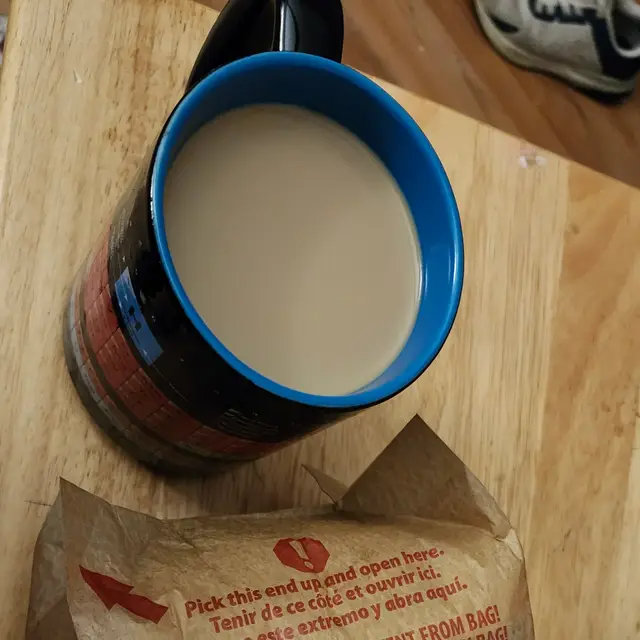
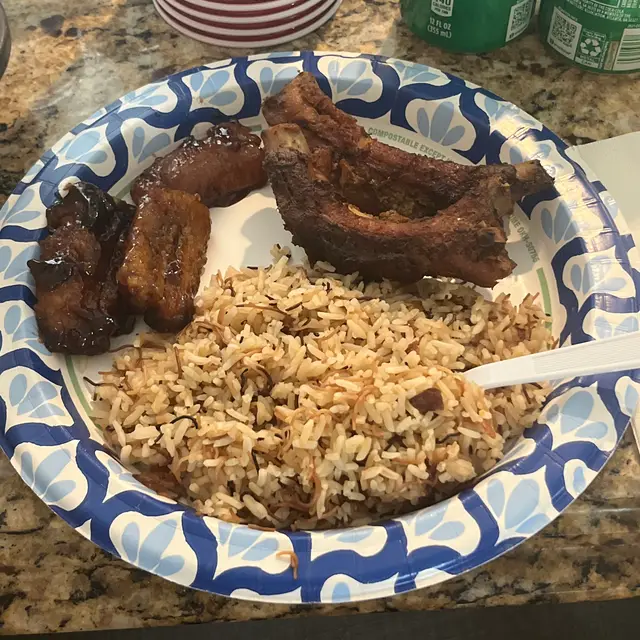
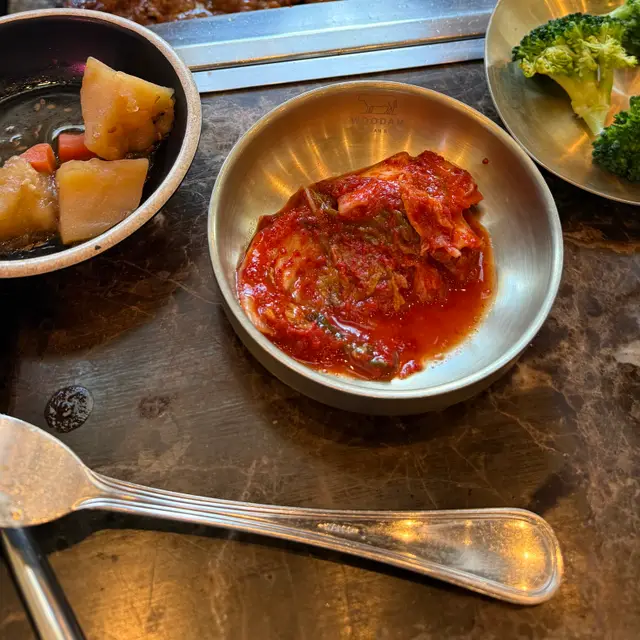
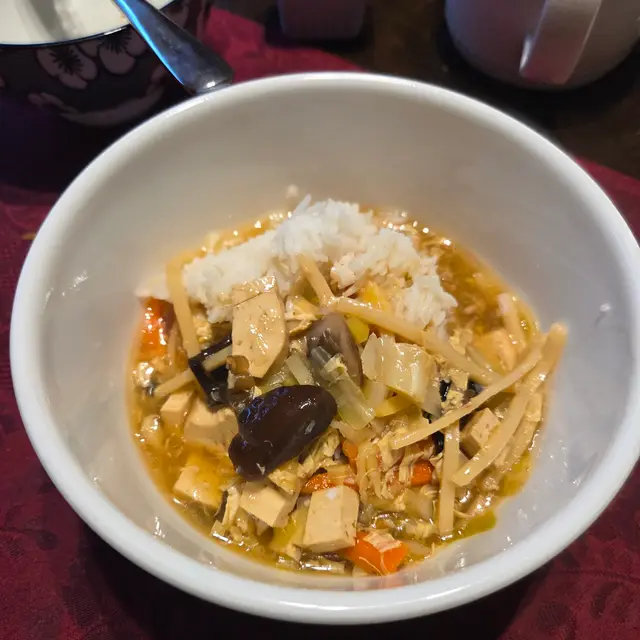
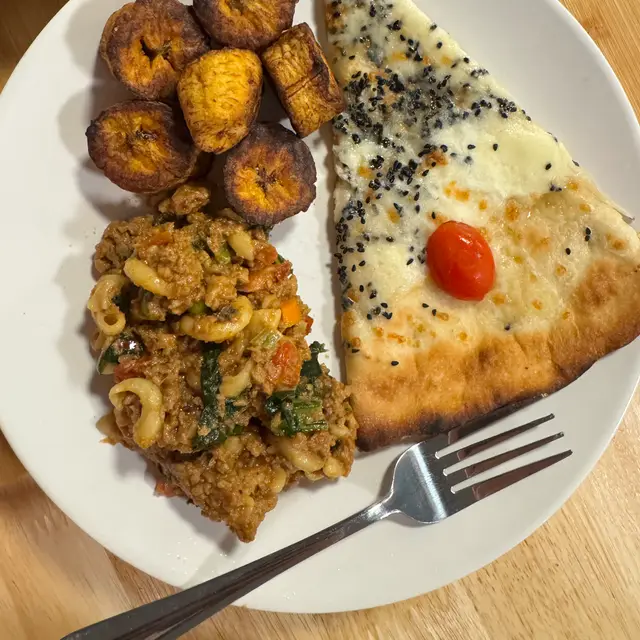
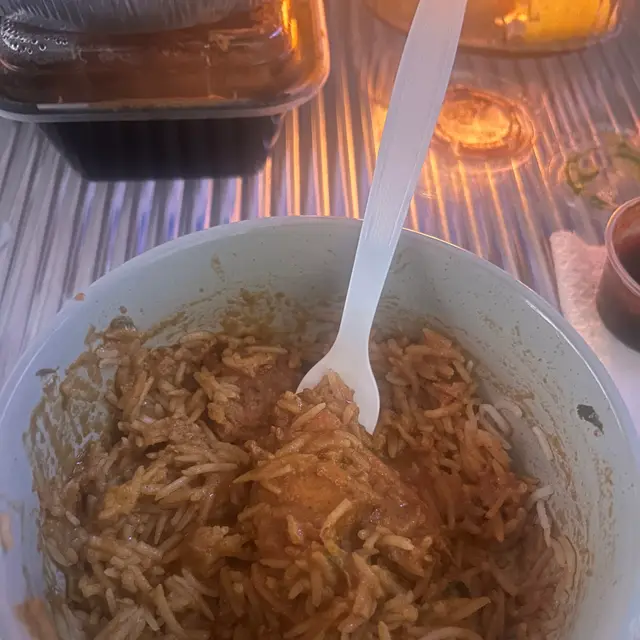
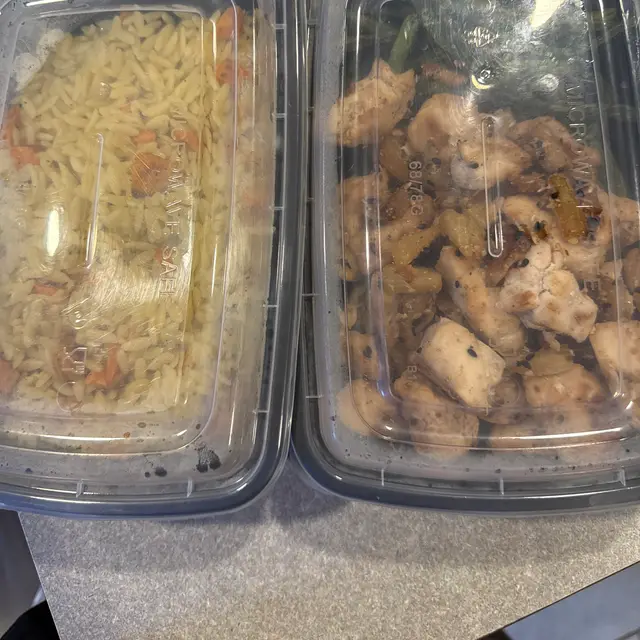
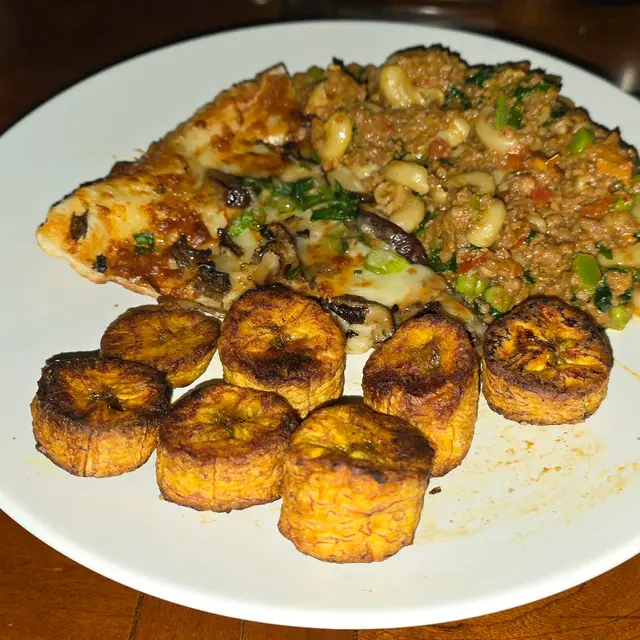
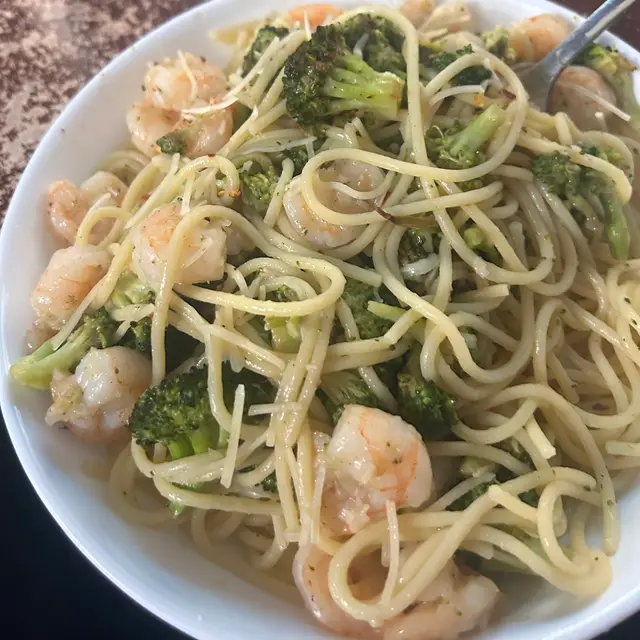
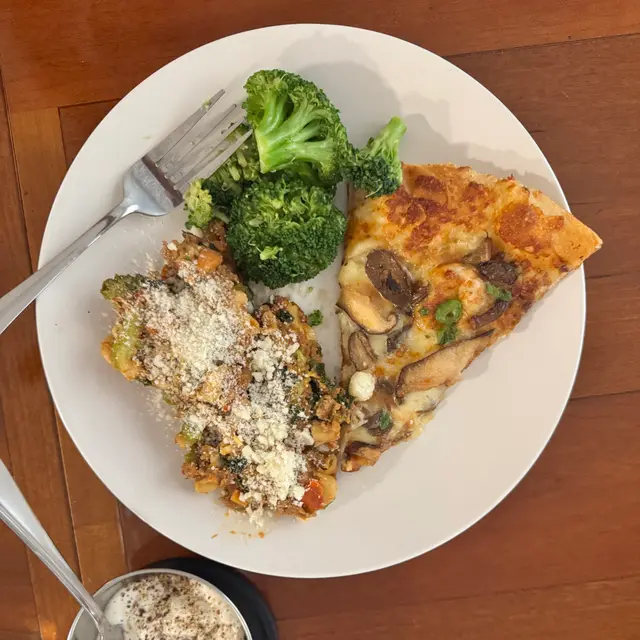
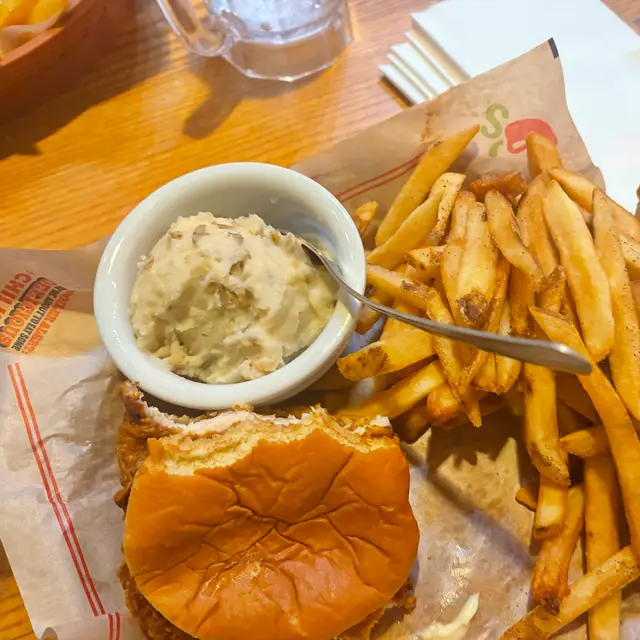
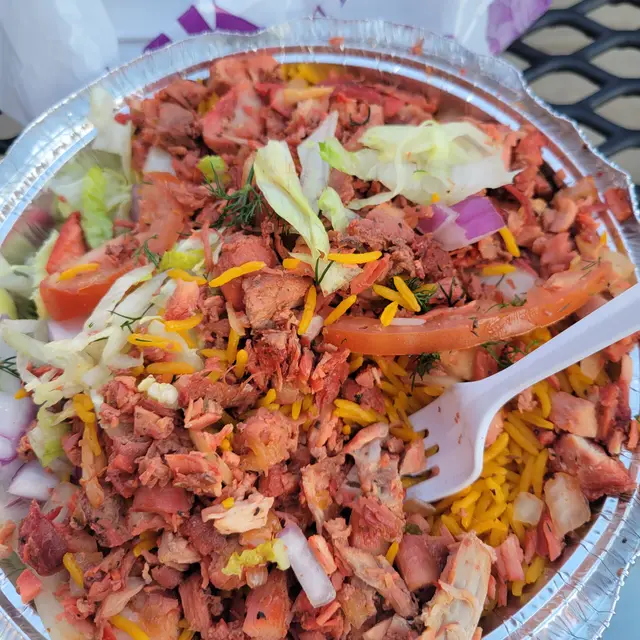
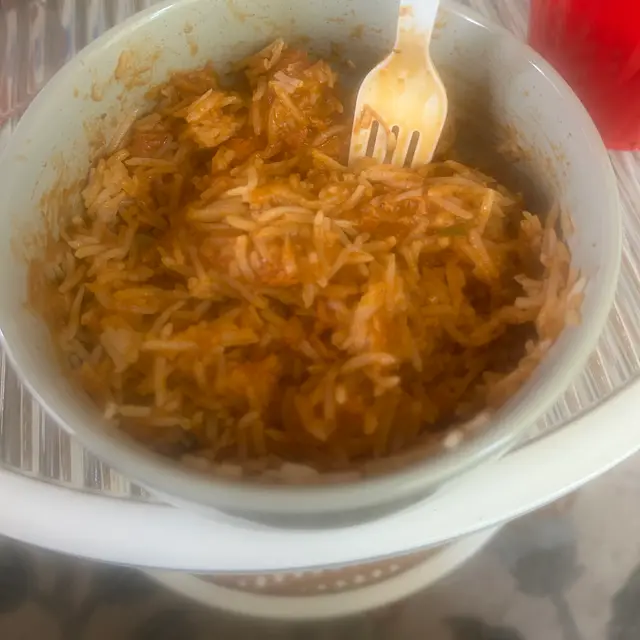
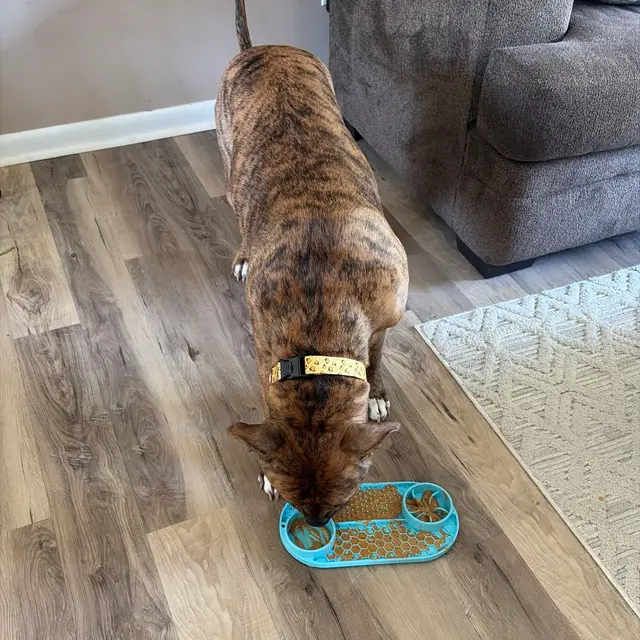
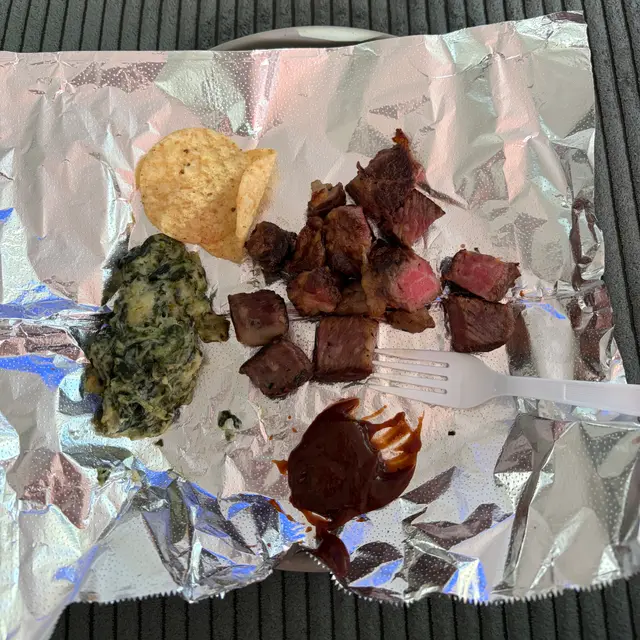
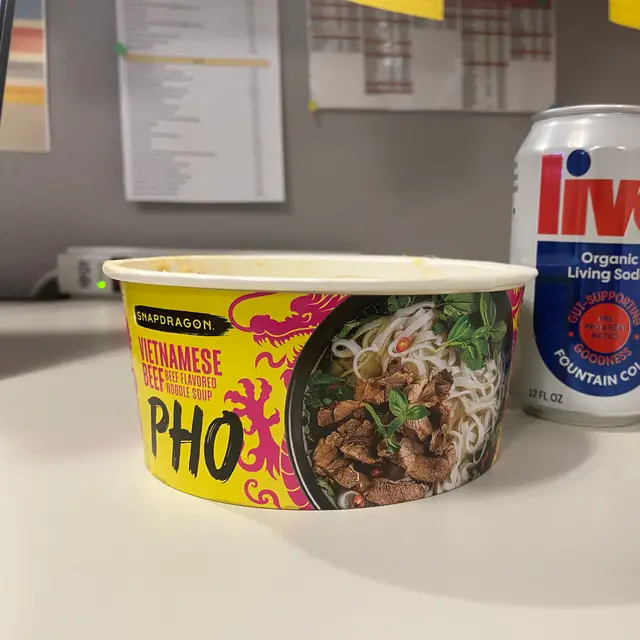
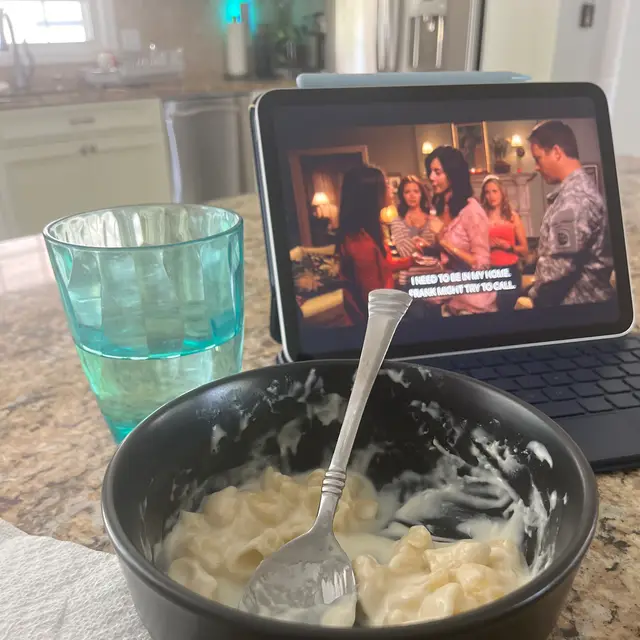
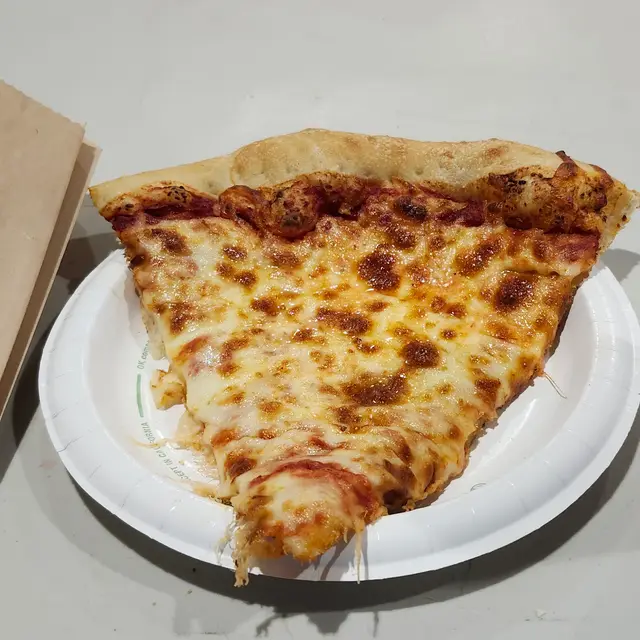
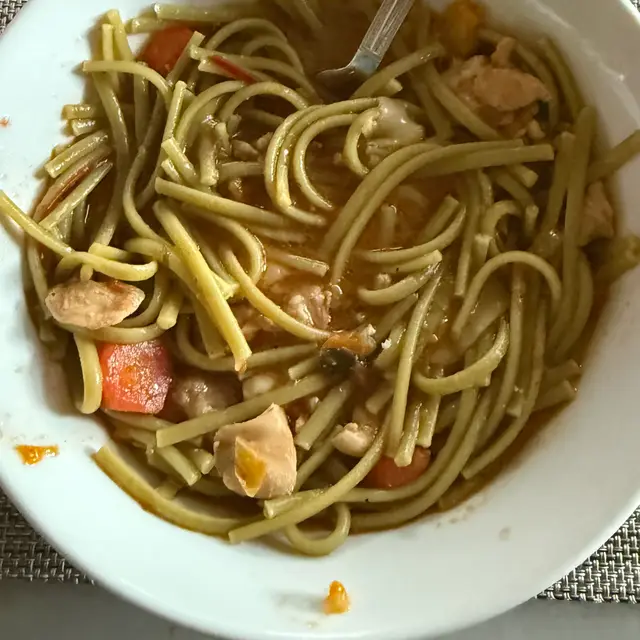
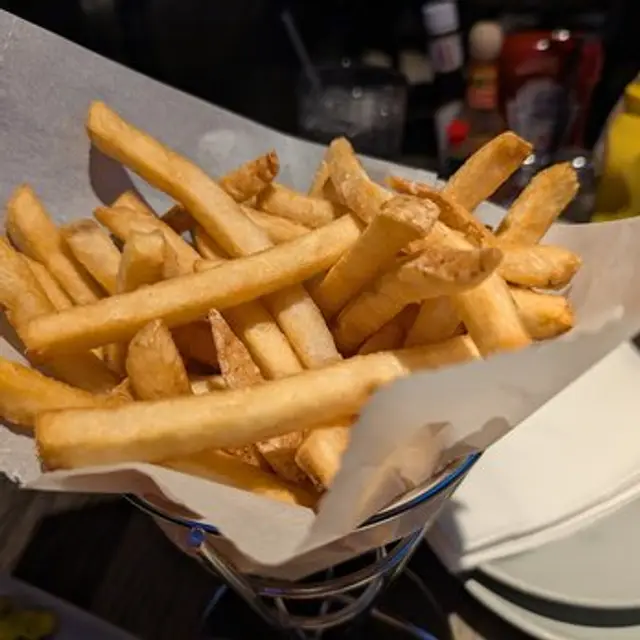
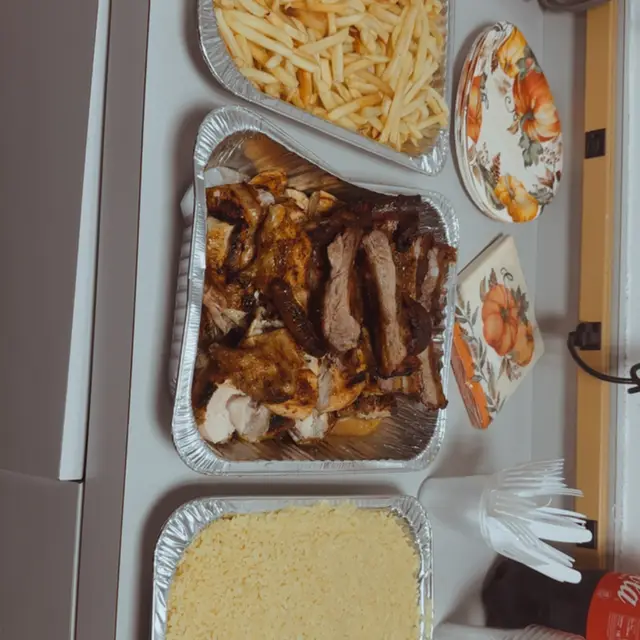
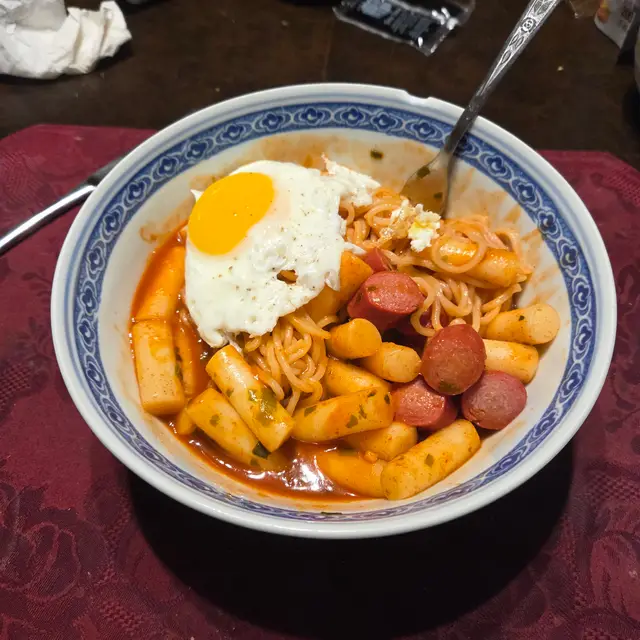
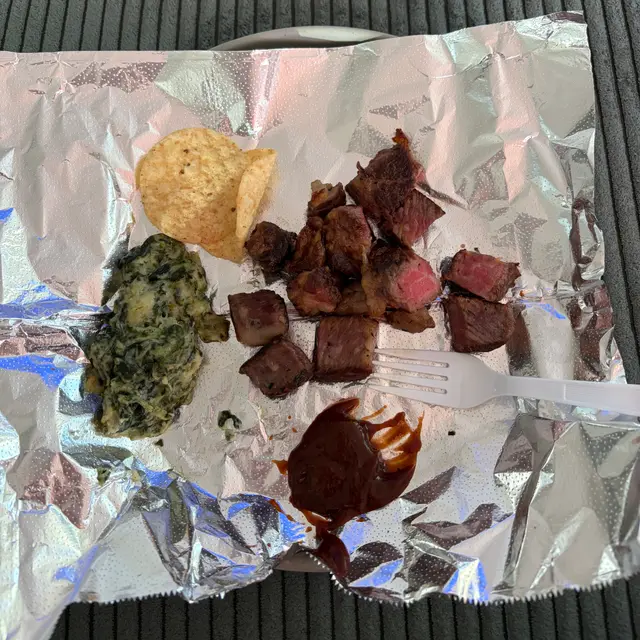
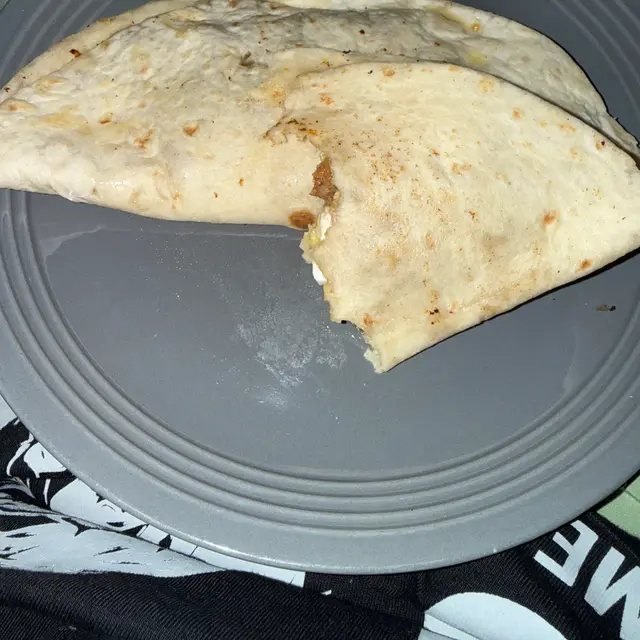
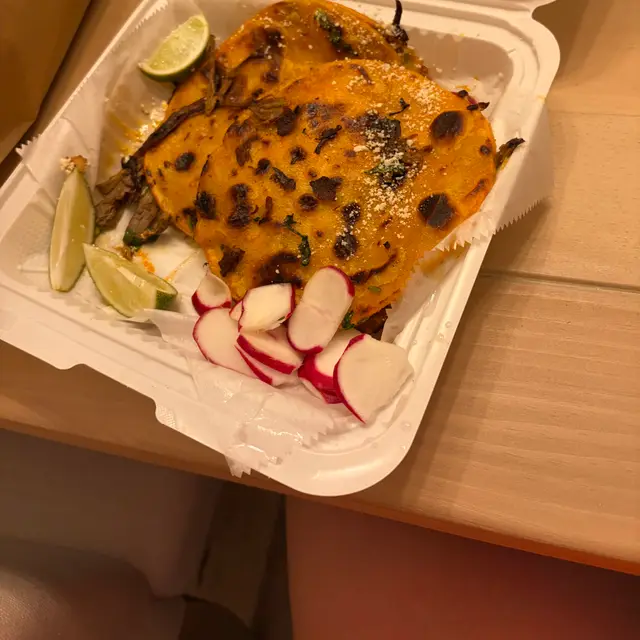
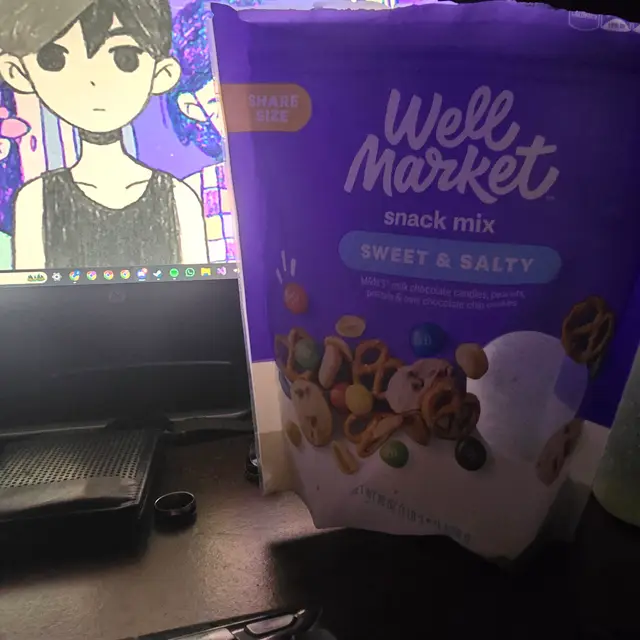
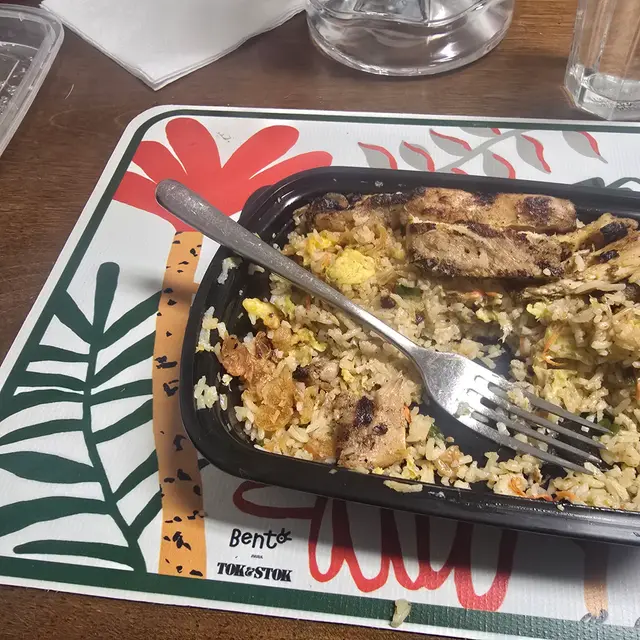
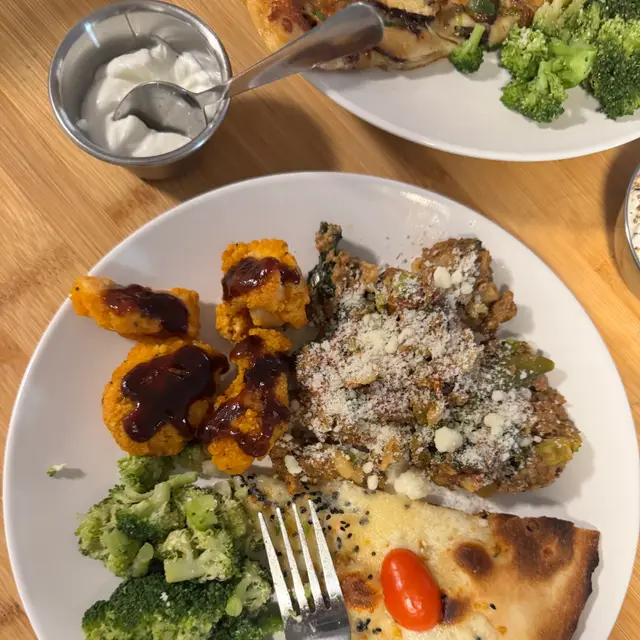
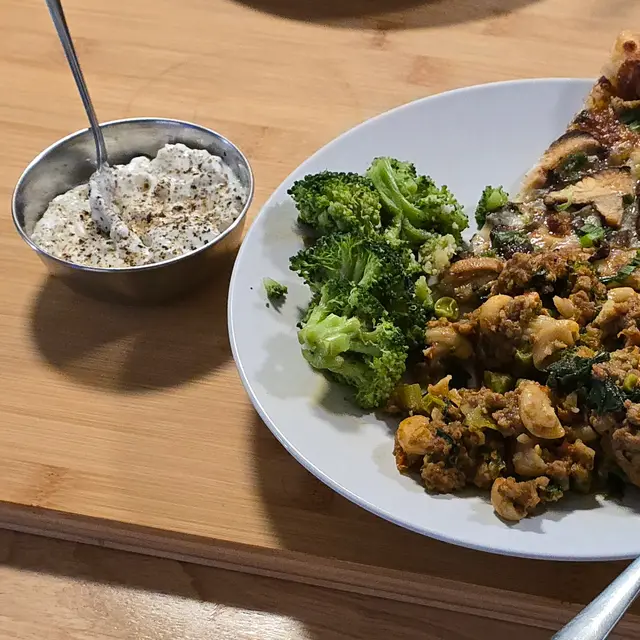
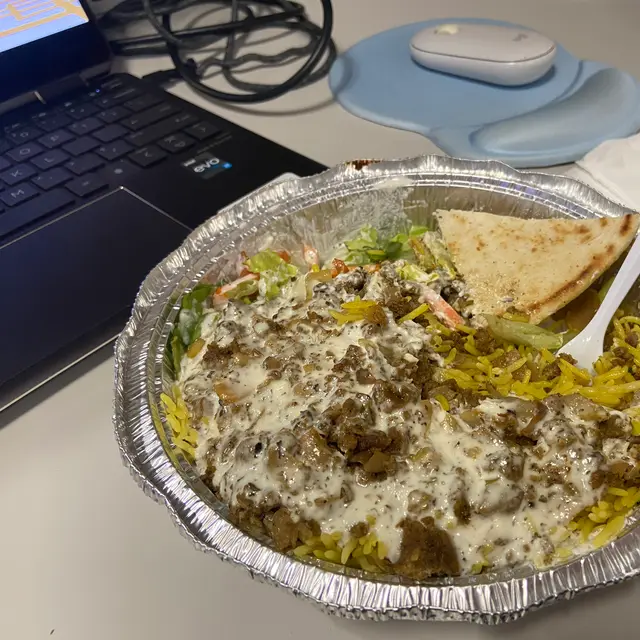
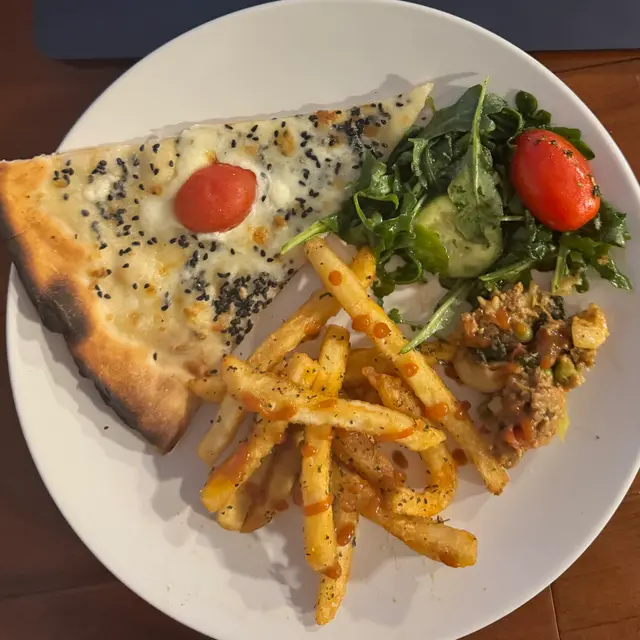
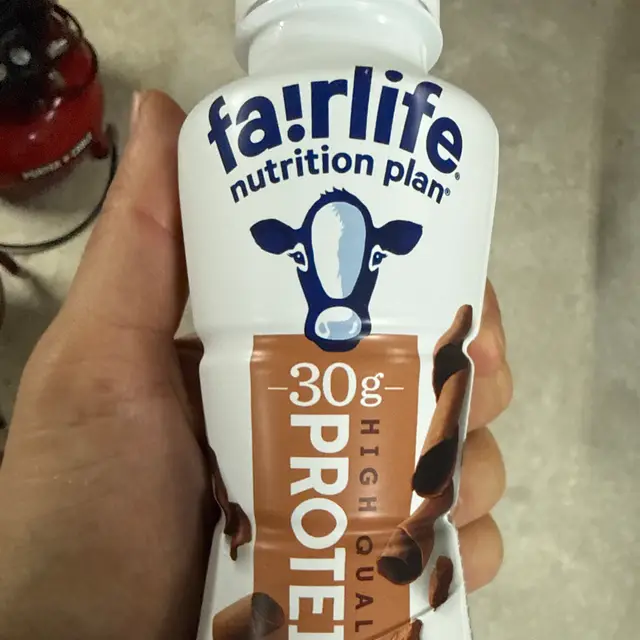
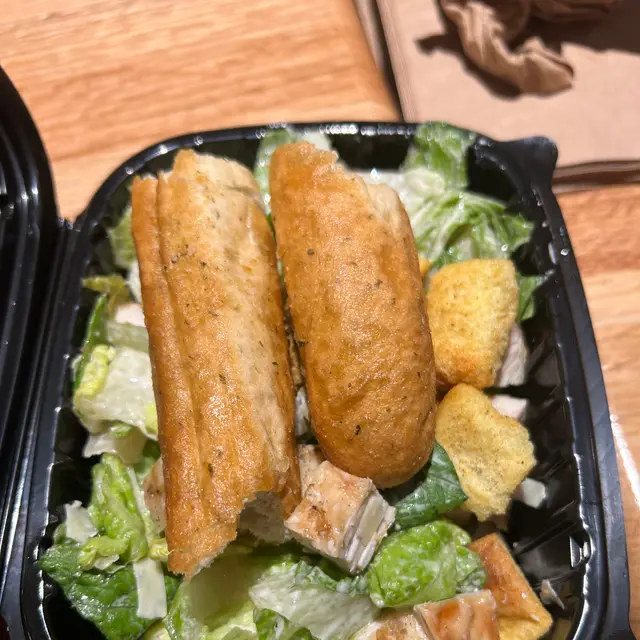
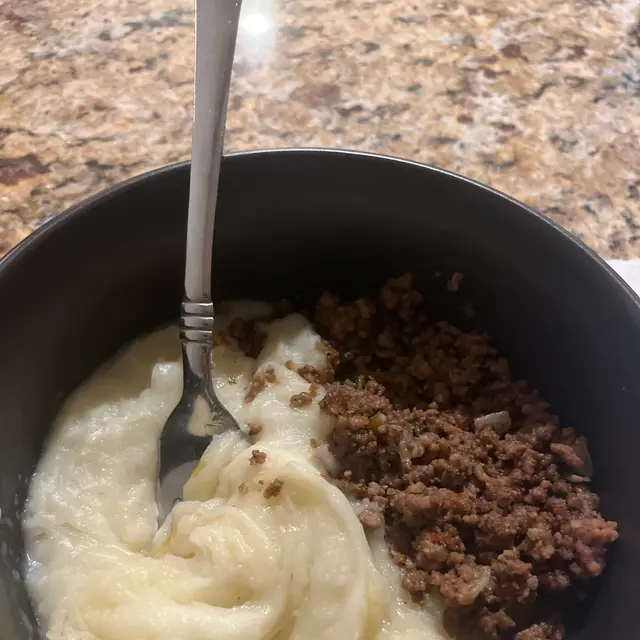
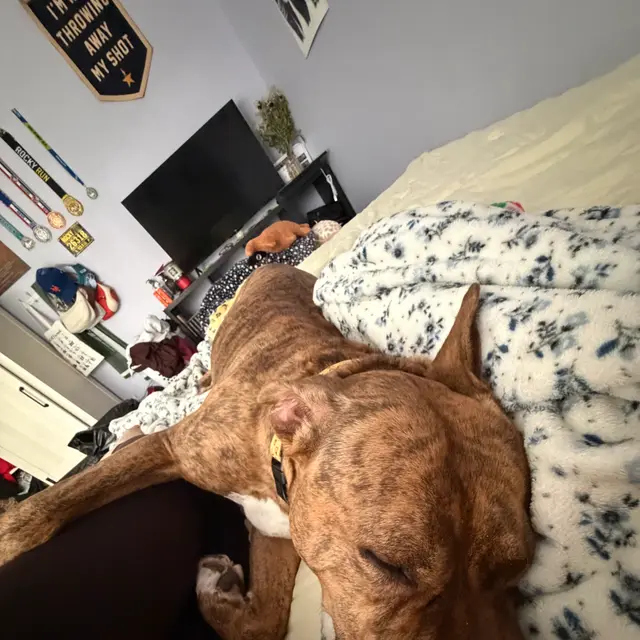
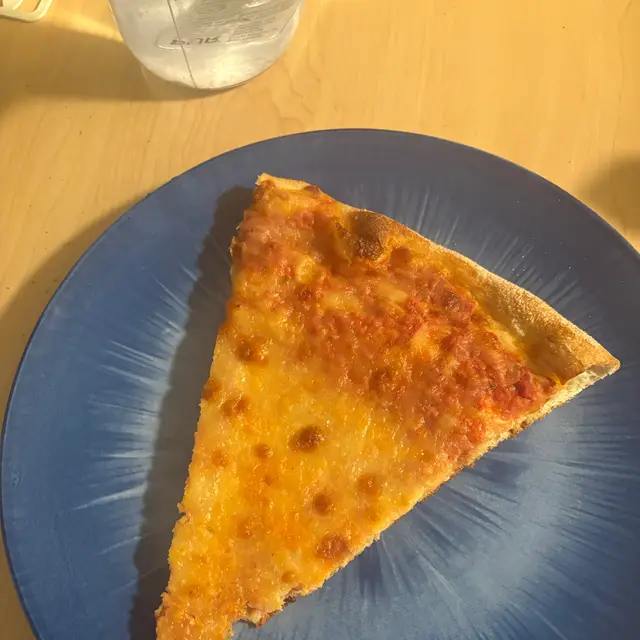
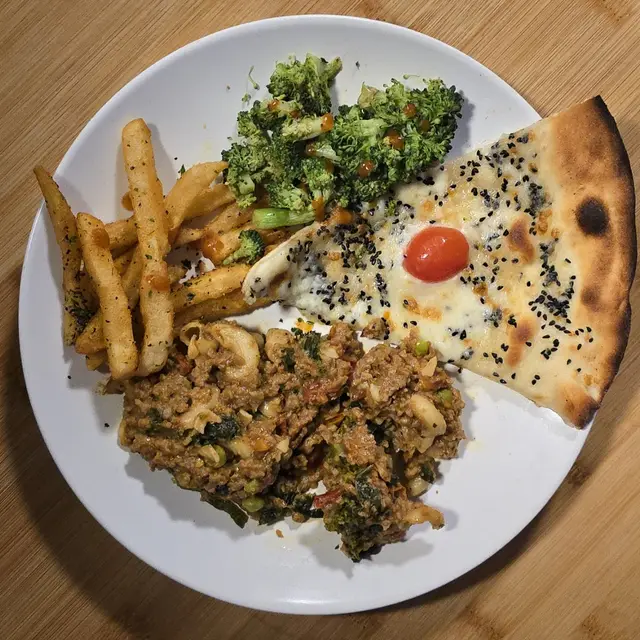
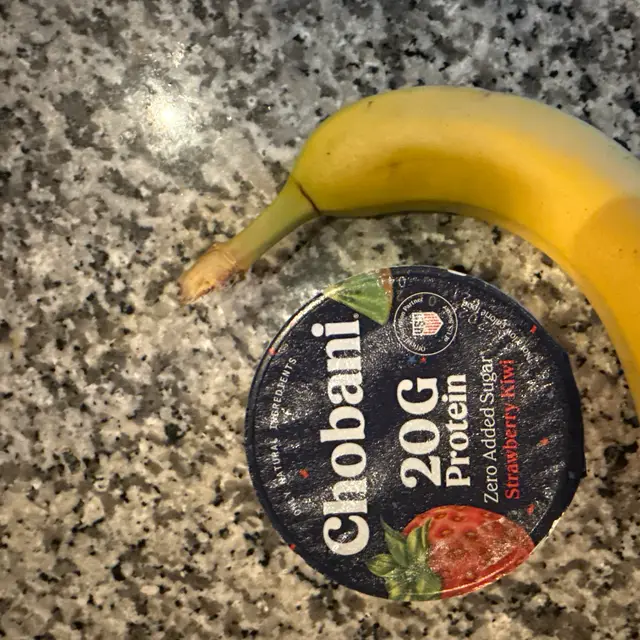
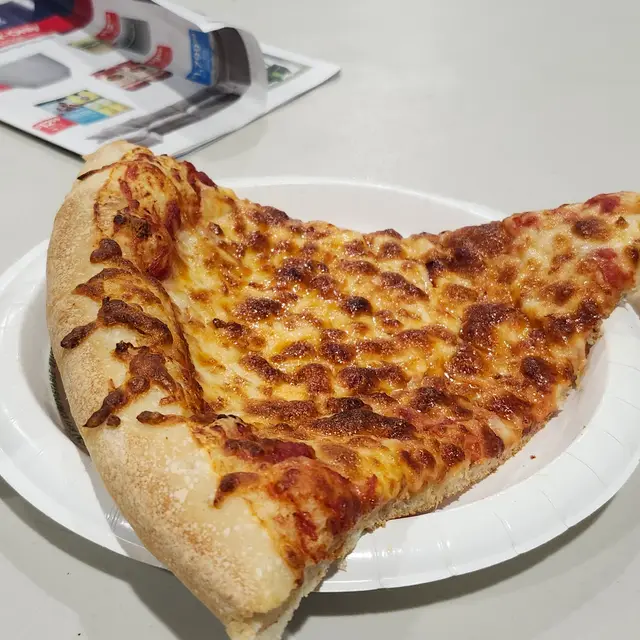
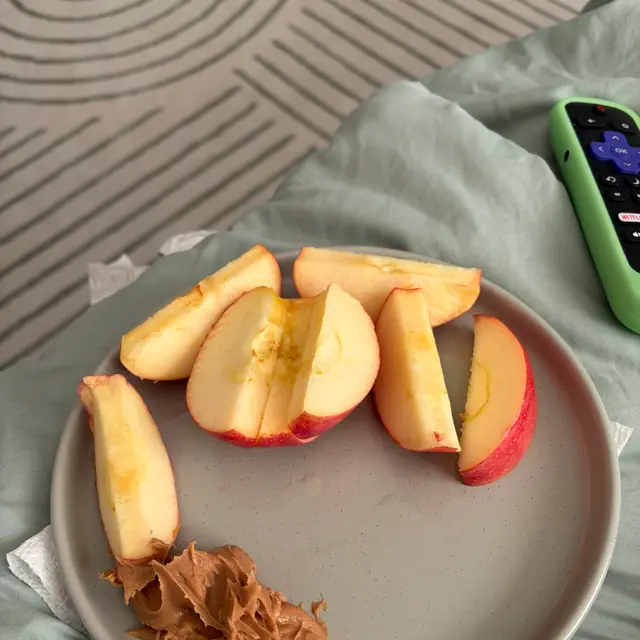
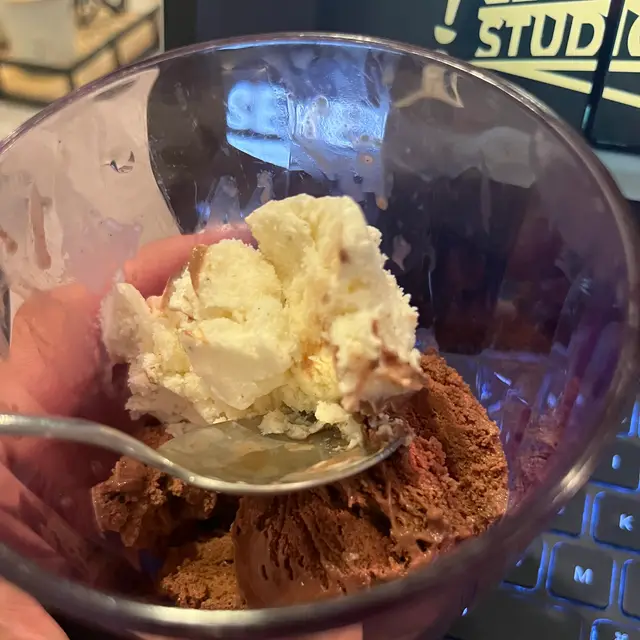
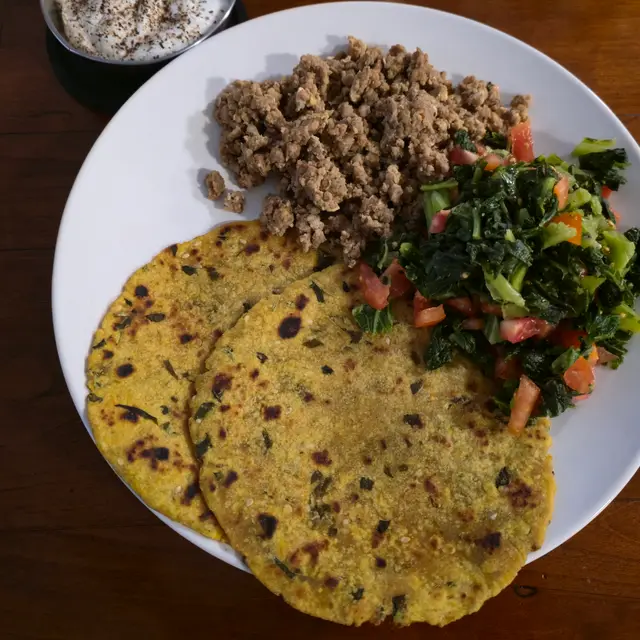
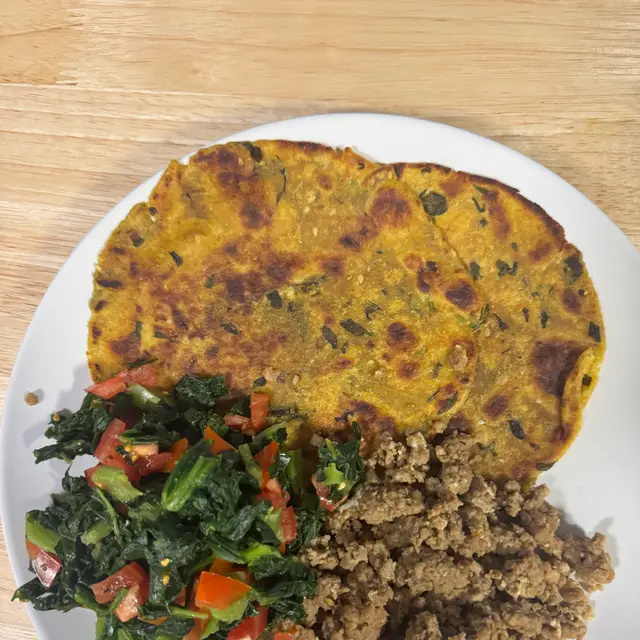
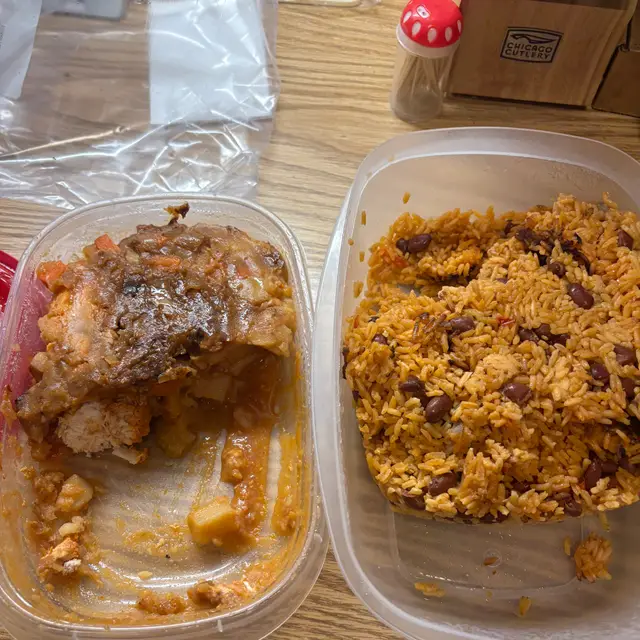
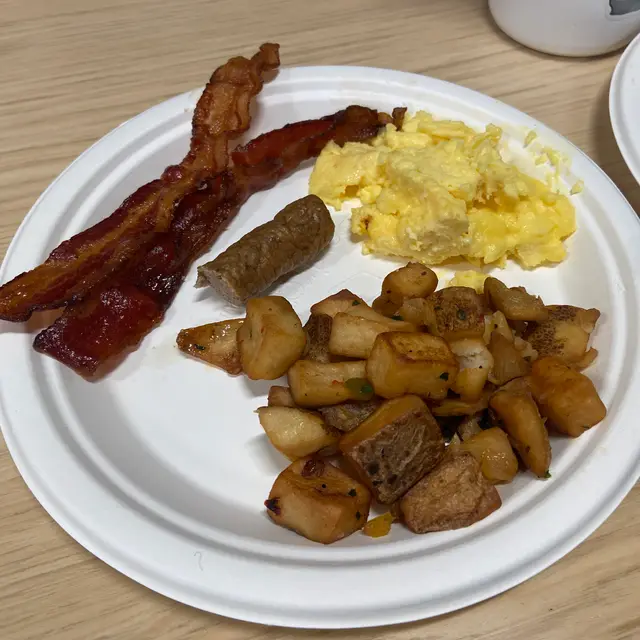
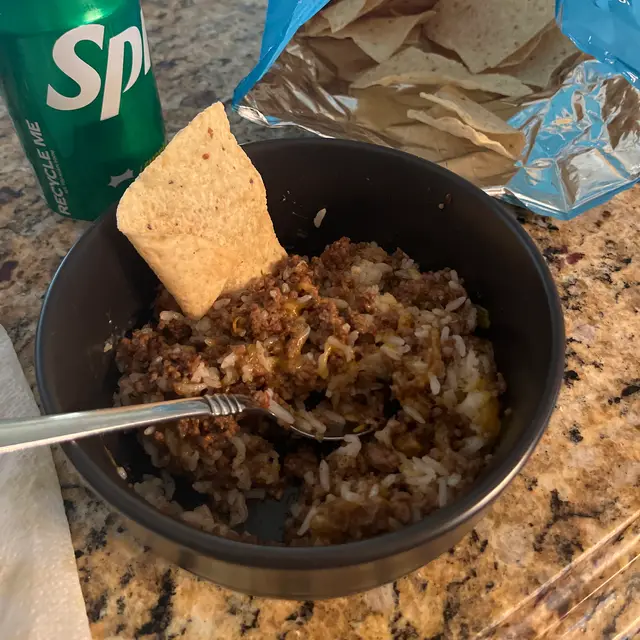
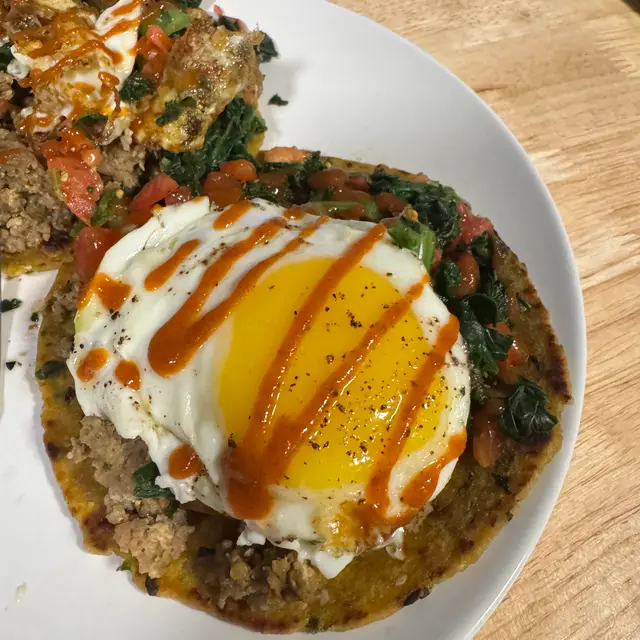
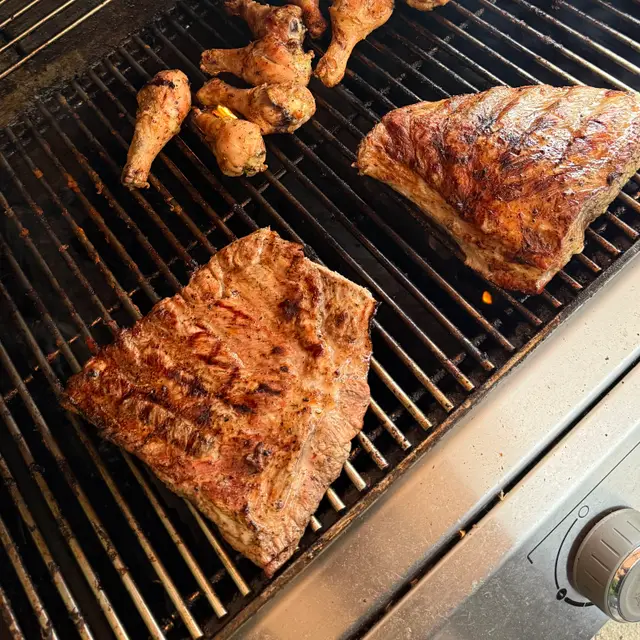
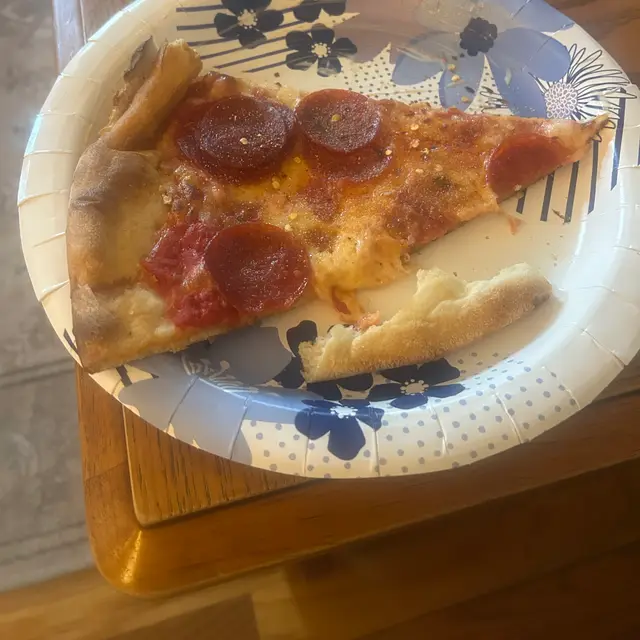
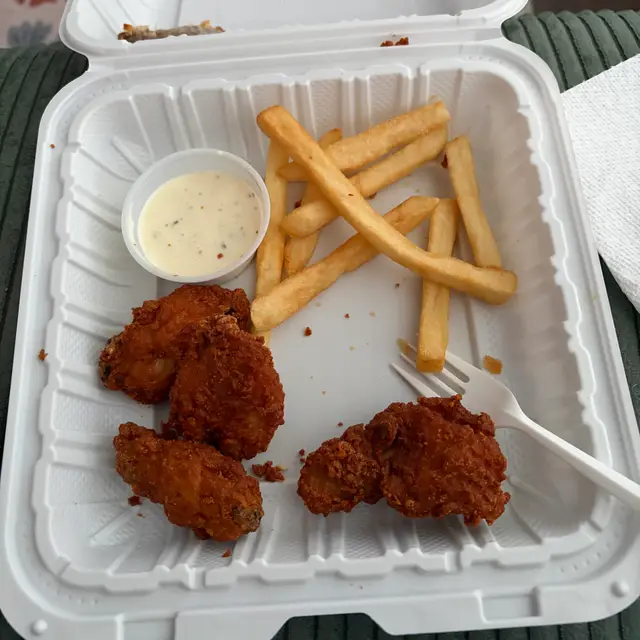
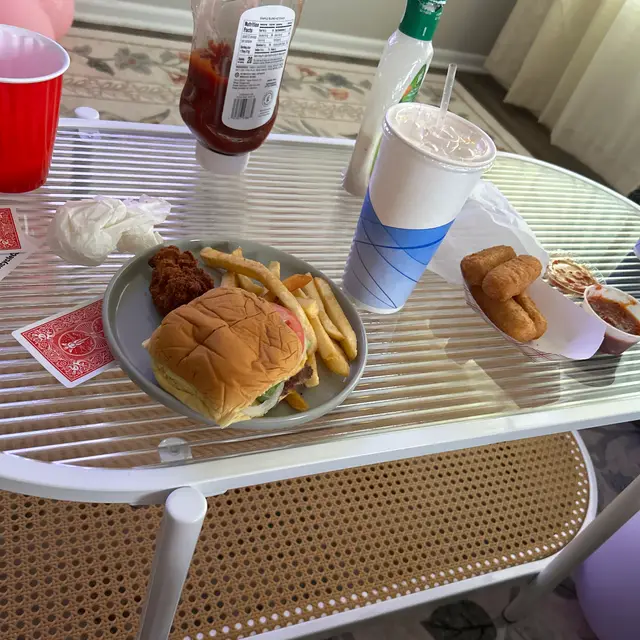
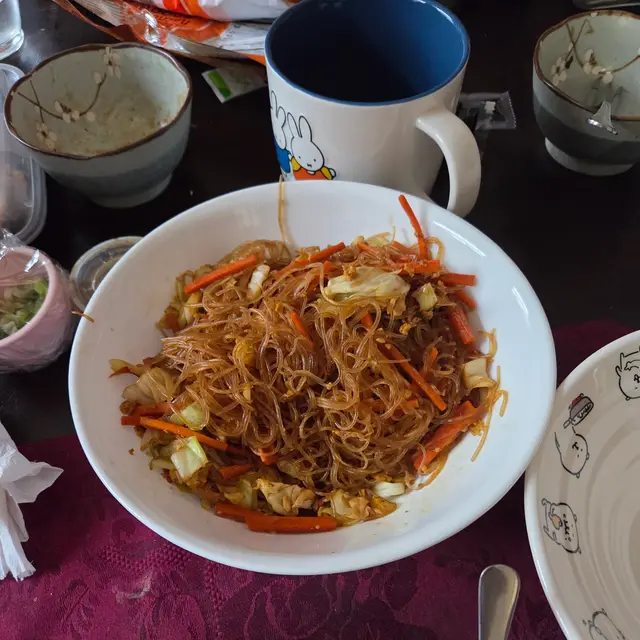
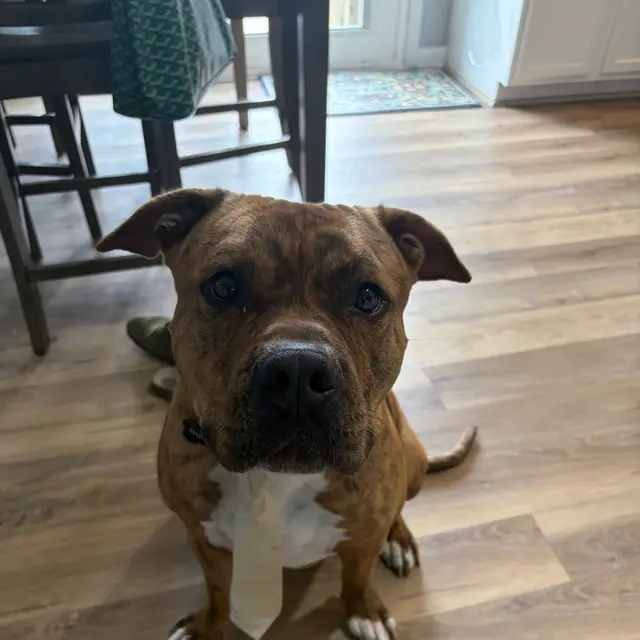
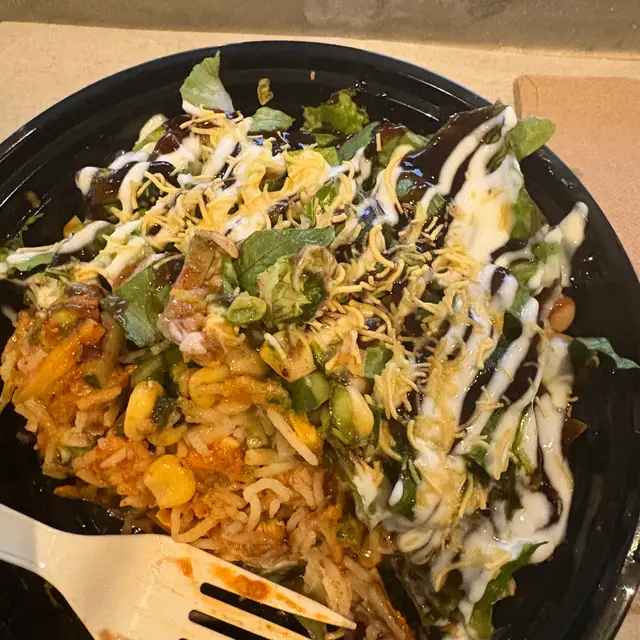
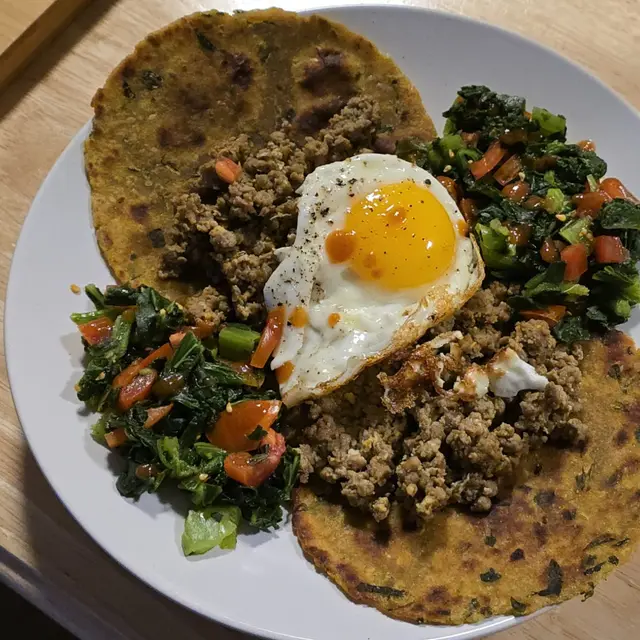
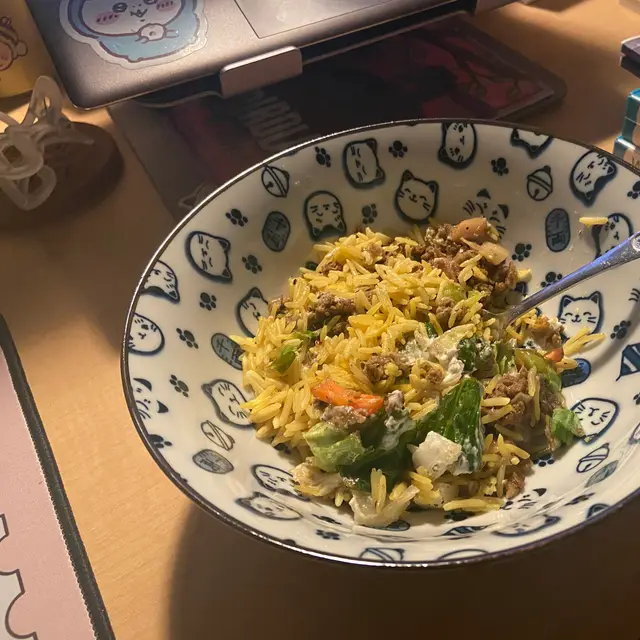
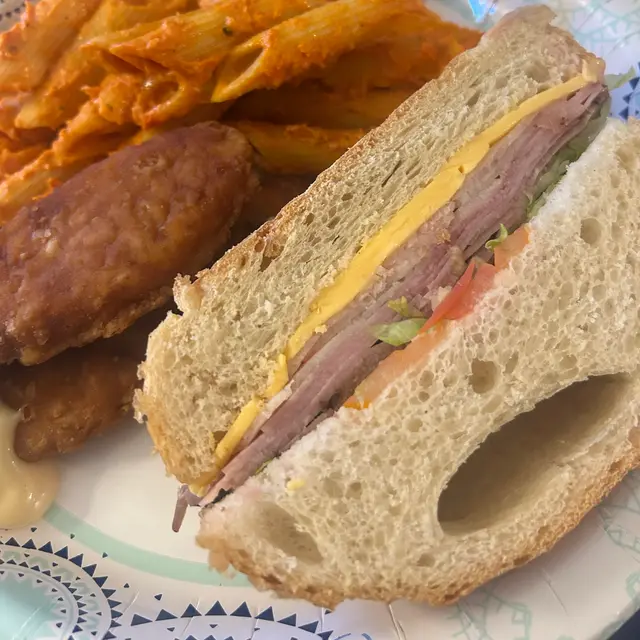
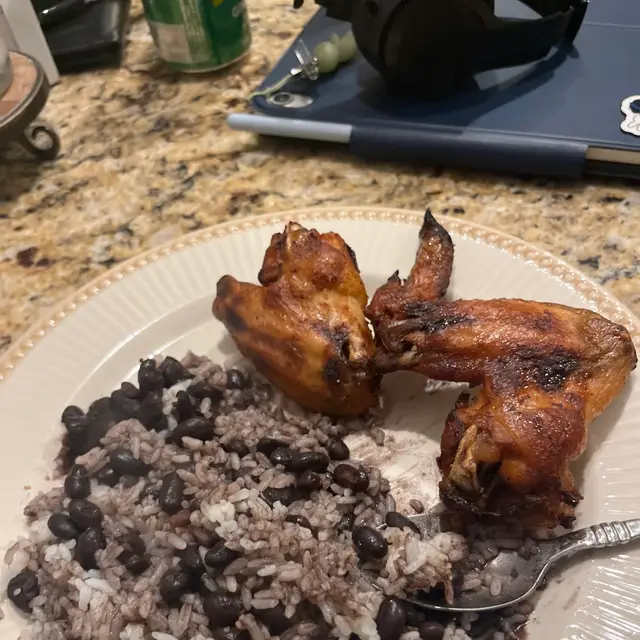
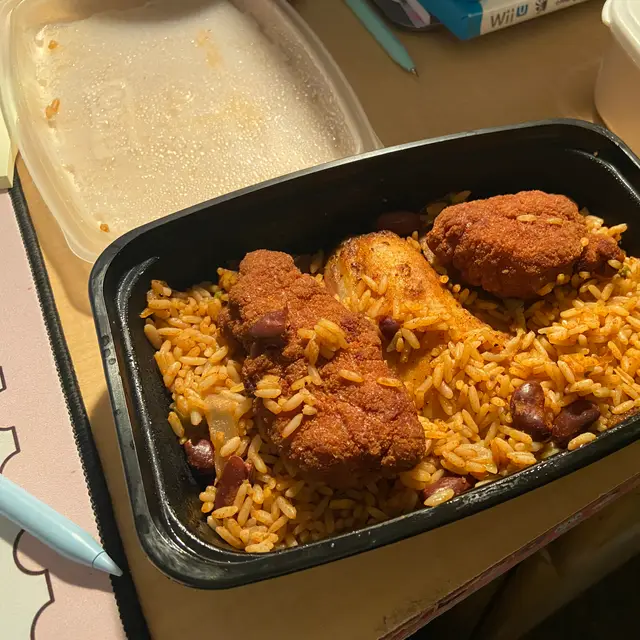
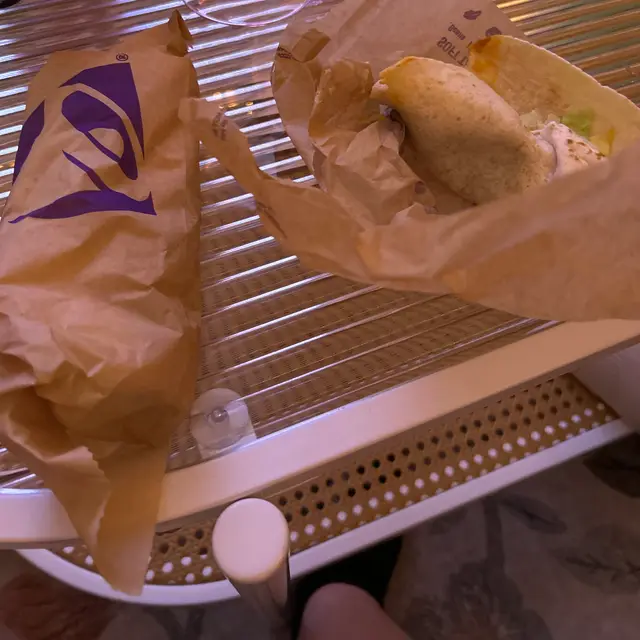
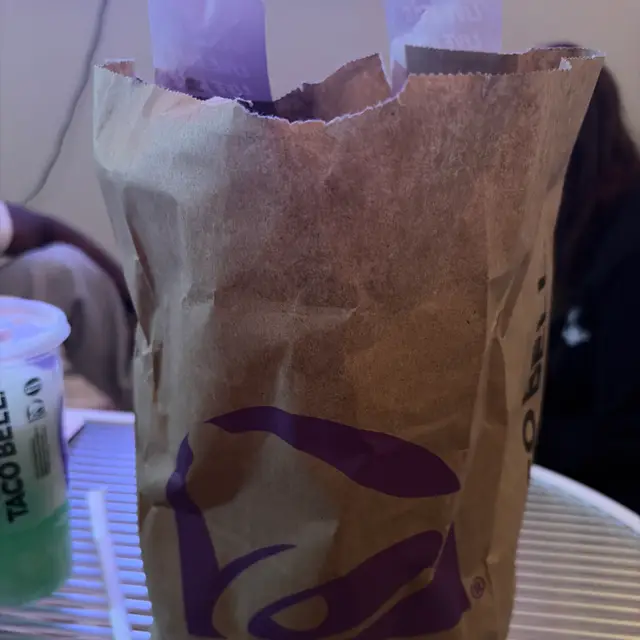
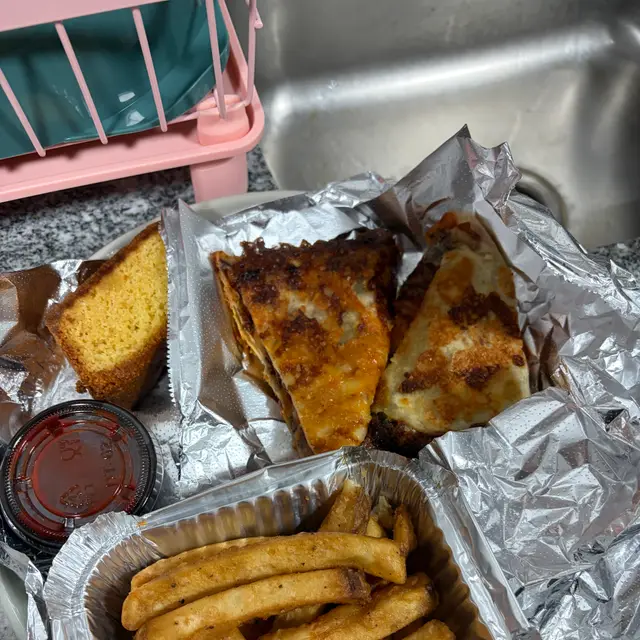
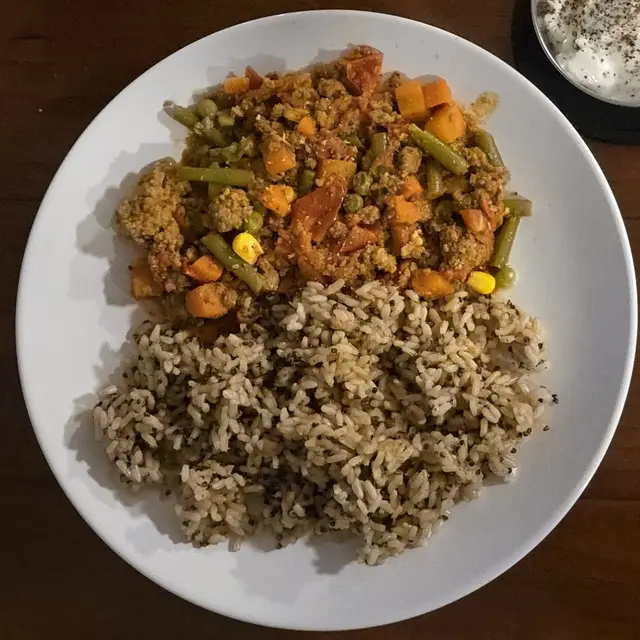
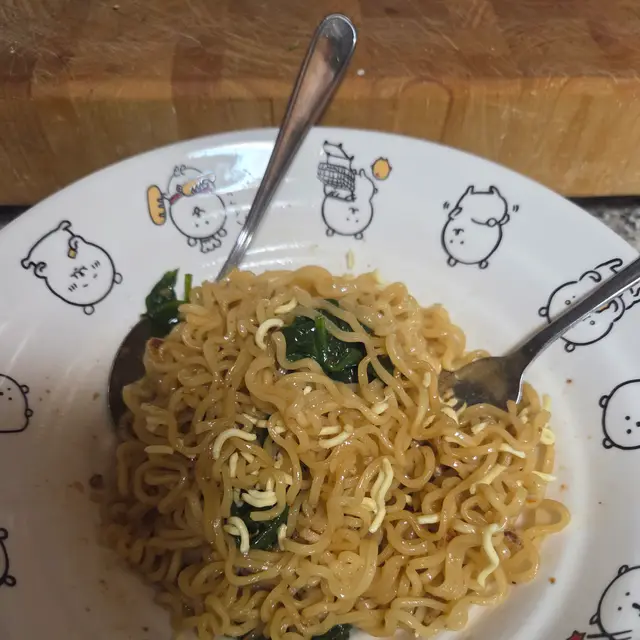
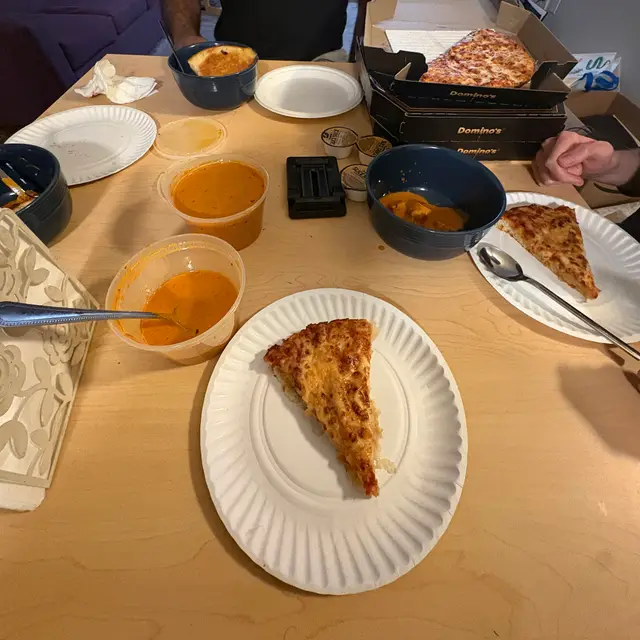
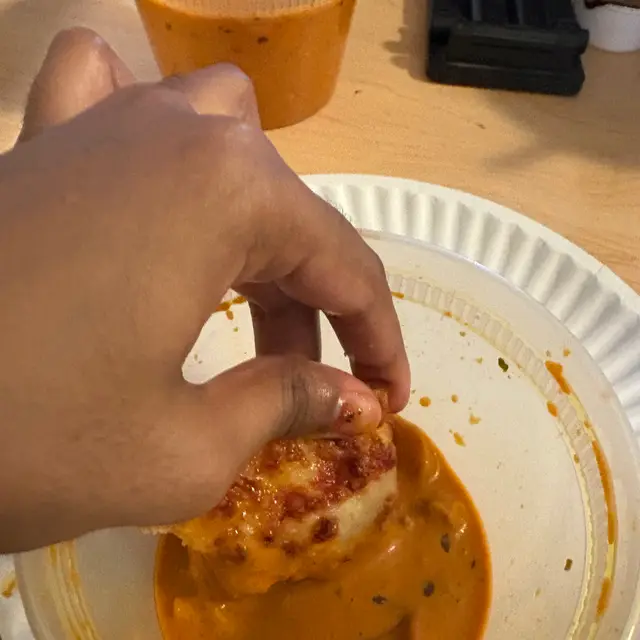
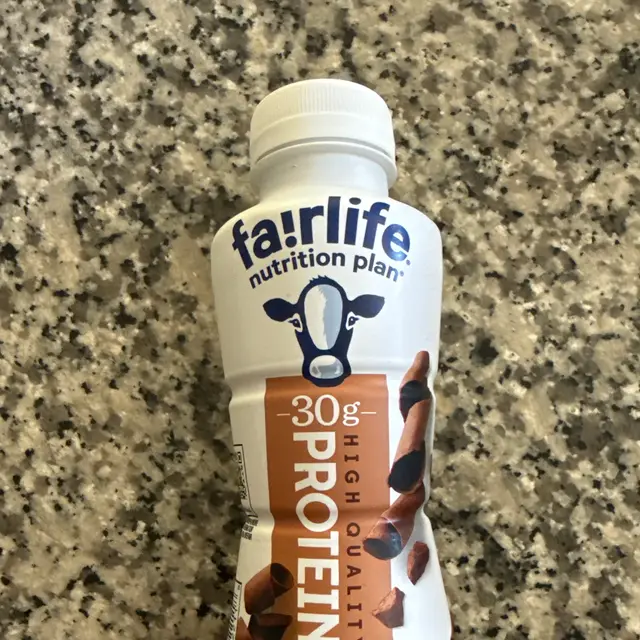
a week-long diary study on dinner, inspired by r/kitchencels and
r/girldinnerdiaries, communities where people post photos of
whatever they ended up eating, sometimes intentional, sometimes
just whatever the day left them with. i wanted to know if that
pattern held up outside of reddit: does the quality of someone's
day show up on their plate?
method
19 participants logged dinner daily over 8 days through jotform: a
photo, a short description of their day and meal, who made it, and
two 1–5 ratings, one for the day, one for the food. not anonymous,
on purpose, so i could compare each person against themselves
across the week.
key findings
01day and food ratings track together, but loosely.
+
of the days rated a 5, 22 of 26 also had a 5-rated meal. almost
no one had an average day and a great meal, or vice versa.
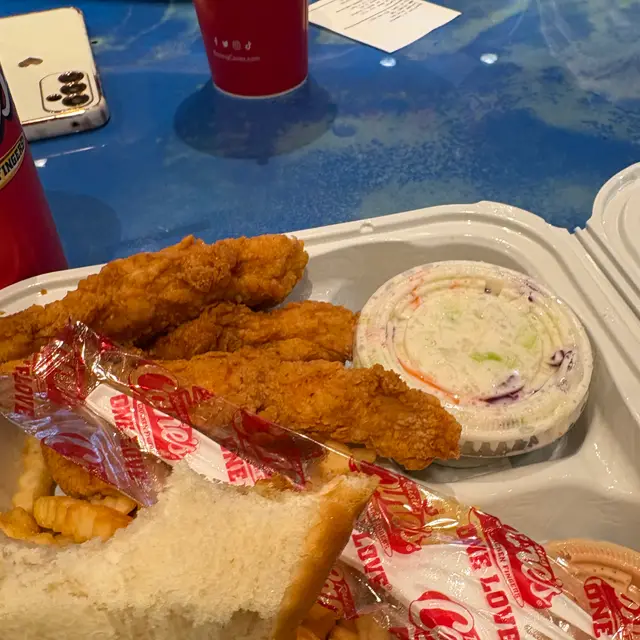
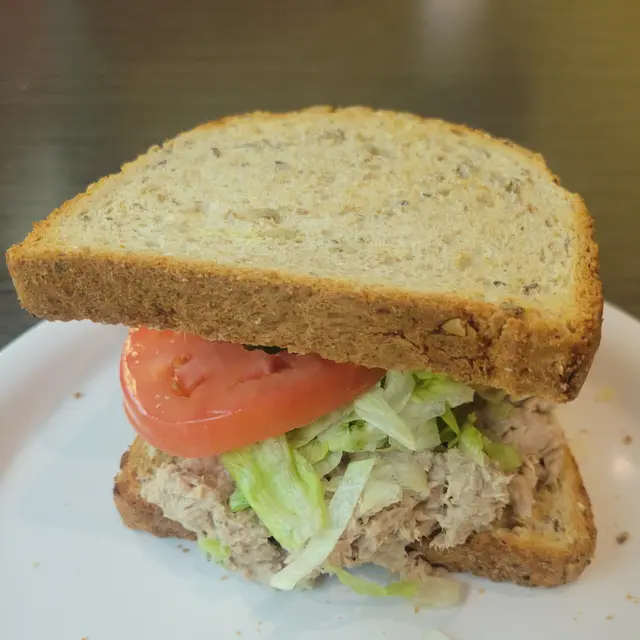
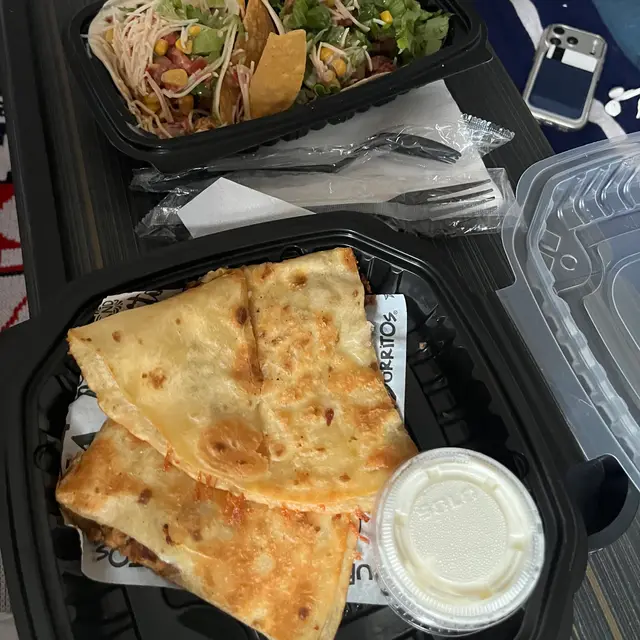
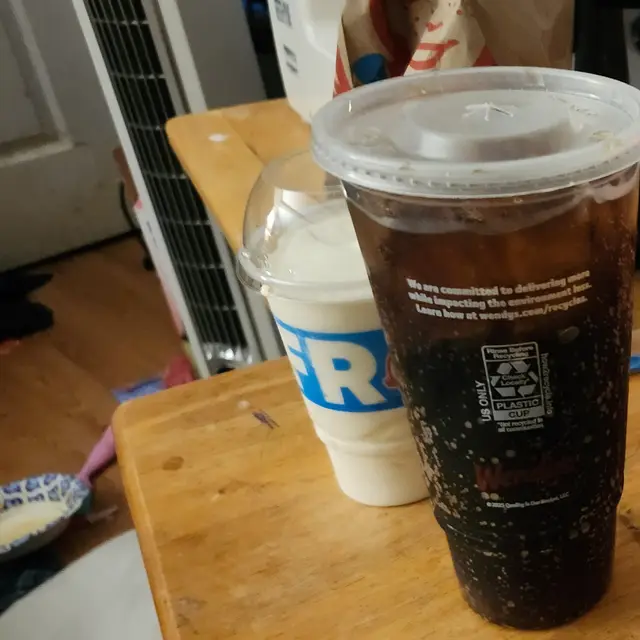
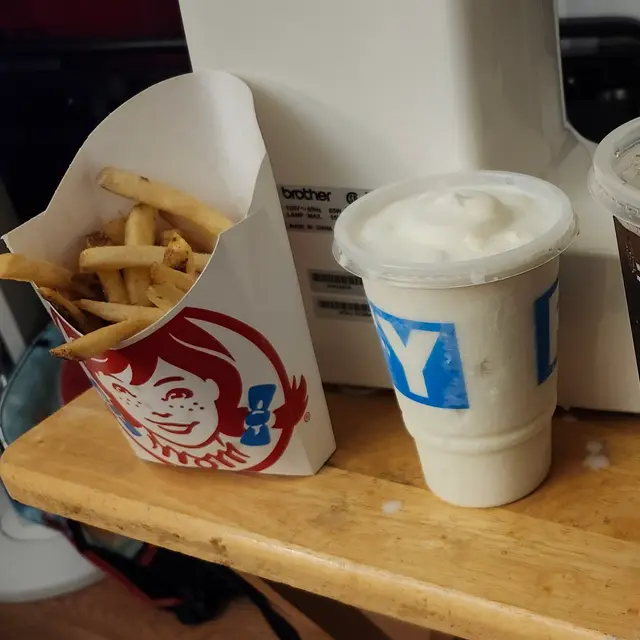
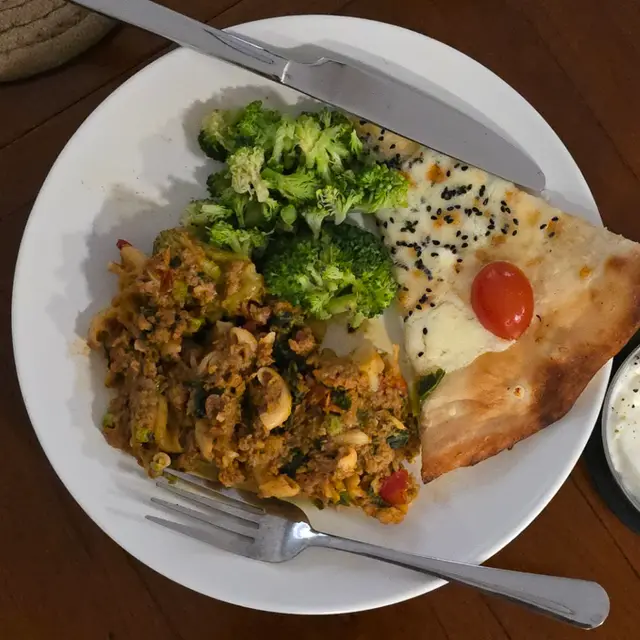
across the dataset, the range was wide: one entry was a 2/5 day
capped with a wrong Wendy's order at 12am, rated a 1/5 meal.
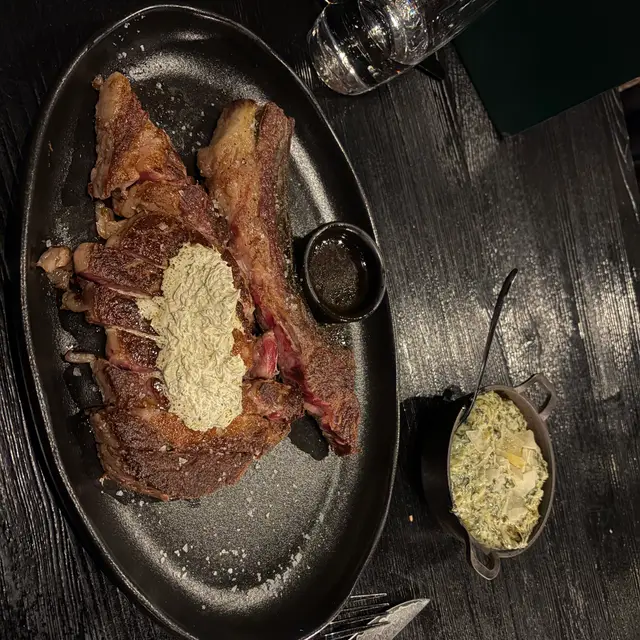
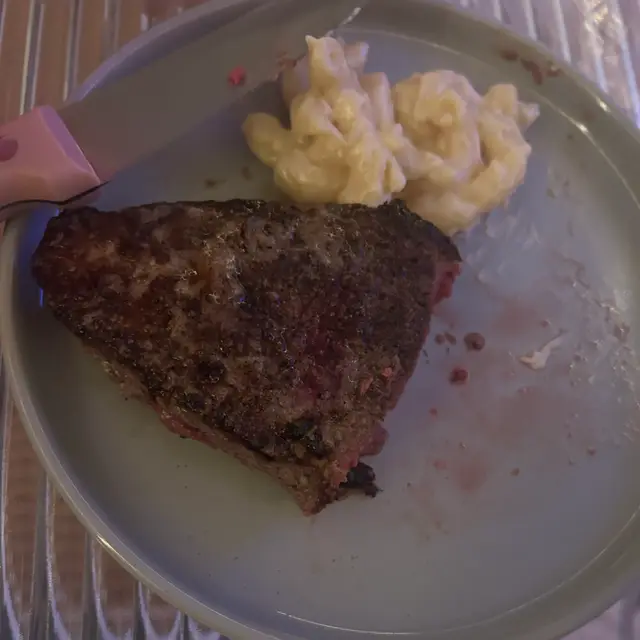
another was a 5/5 day (cold brew, a walk, a movie, a steakhouse
date) that ended in a 5/5 meal. same study, same week,
completely different lives.
02who made the food mattered more than expected.
+
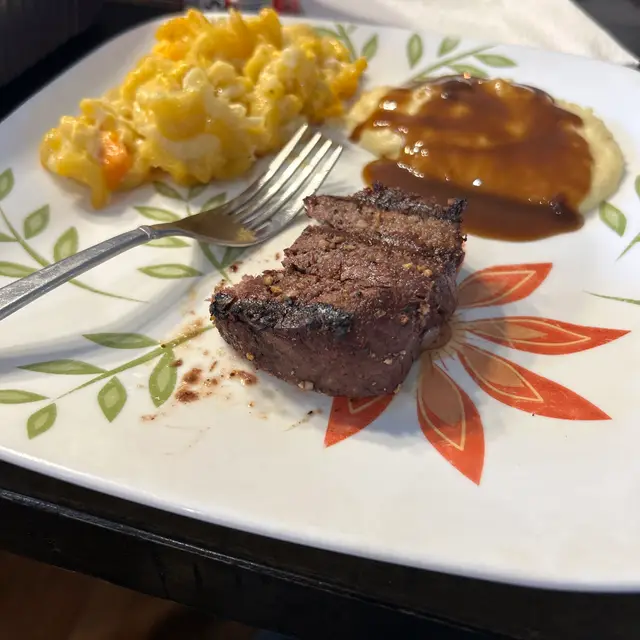
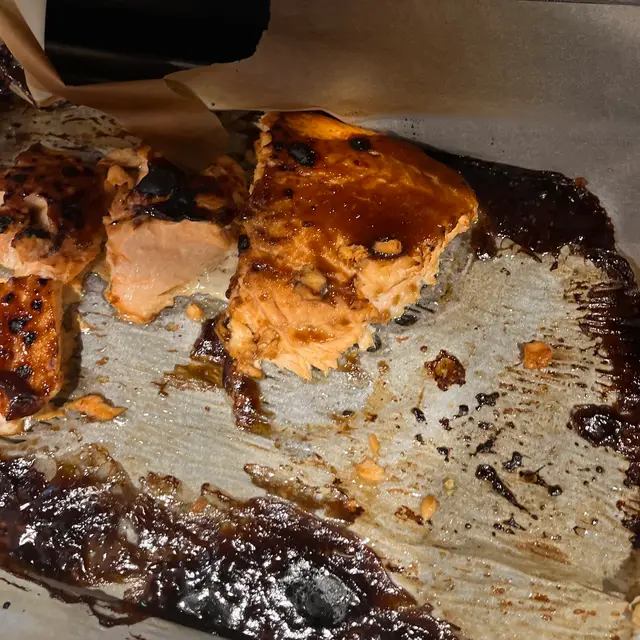
family-cooked meals rated highest (4.89), dining hall lowest
(2.67), and self-cooked barely beat pre-packaged.
the "who" behind the meal seemed to carry as much weight as the
food itself.
03most people didn't really have a "week" of ups and
downs.
+
they had one baseline mood that mostly held, with only one
participant showing real day-to-day swing.
that complicated the original premise: comparing a "good day
meal" to a "bad day meal" assumes people have both in a short
window, and most didn't.
what i'd change
ask demographic questions on day one, not the last day, people
were burning out by the end. standardize the entry form more. and
if i had more time, i'd run a card sort matching ratings back to
food photos, to see how much the meal itself actually signals.
dinner diaries · may 2026
dinner diaries
bridget mctiernan · is375 · may 2026
19participants87entries3findings8days
the full report covers the research questions, recruitment and
method, rating analysis, all three findings, participant stories, a
user journey map, and the conclusion.